Publication details
First published . Series dates place related notes together in the reading archive.
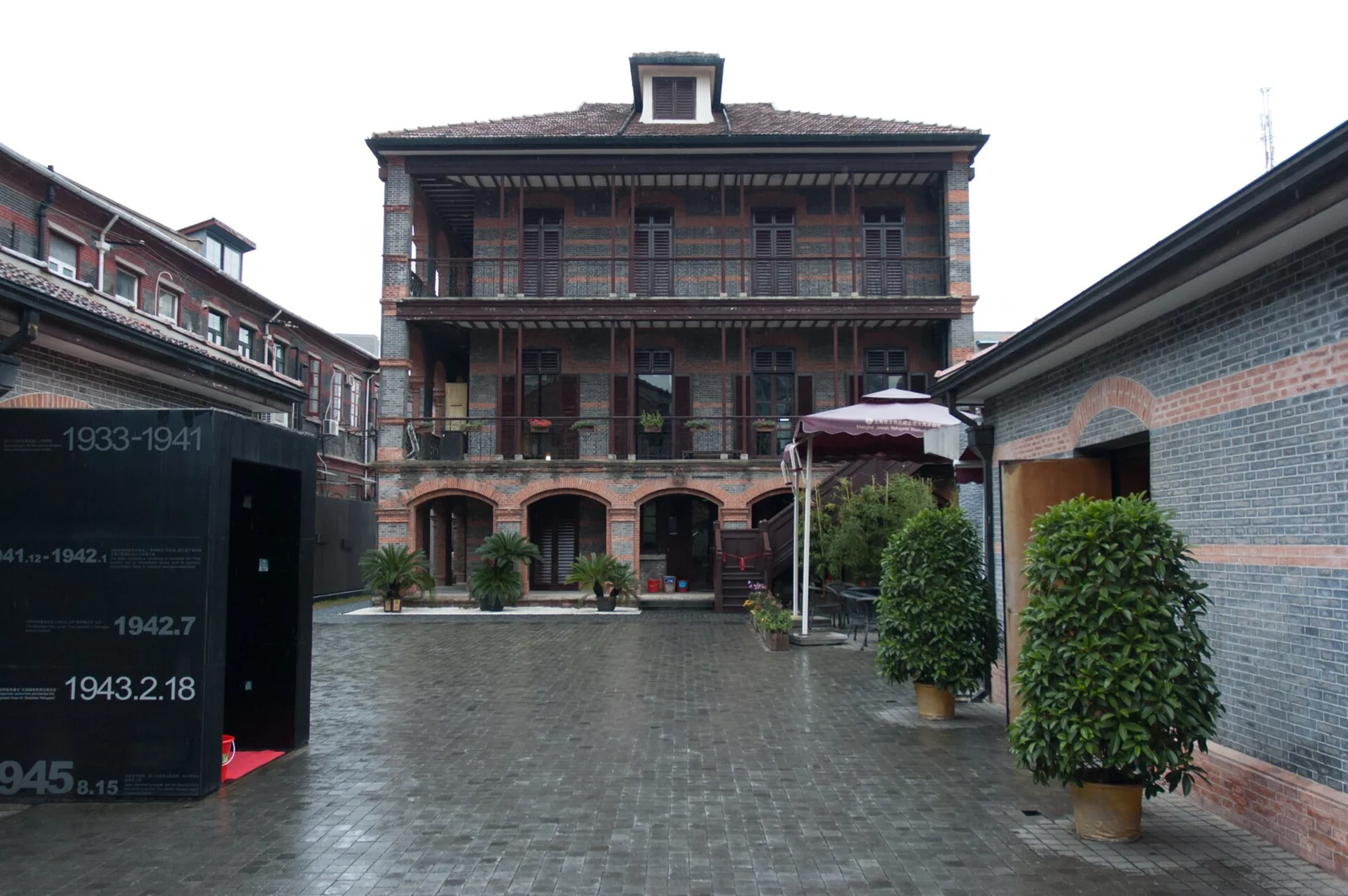

Put the museum before the neighbourhood walk
The museum is 上海犹太难民纪念馆, at 上海市虹口区长阳路62号: 62 Changyang Road, Hongkou District. Tilanqiao Station on Metro Line 12, exit 1, is the official public-transport reference. I would start inside and walk nearby streets afterwards. The museum supplies names, chronology and context; the walk can then connect those accounts with a physical neighbourhood. Reversing the order risks turning ordinary facades into a sequence of guesses about what happened where.
Allow at least 90 minutes, and closer to two hours if you read carefully. This is not a subject I would sandwich between several other timed entries. It asks for attention to persecution, refuge, restrictions and life under difficult conditions. Leaving a little unstructured time afterwards is useful. You may want to sit, look back at notes or simply take a quieter walk rather than immediately move into another dense museum narrative.
Keep refuge and hardship in the same account
European Jews fleeing Nazi persecution reached Shanghai during the 1930 s and 1940 s. That refuge mattered enormously, but survival in Shanghai should not be flattened into an uncomplicated happy ending. Conditions changed during the war. In February 1943, Japanese authorities proclaimed a designated area for stateless refugees, restricting where many people could live and work. The United States Holocaust Memorial Museum preserves the proclamation itself, a useful primary document for understanding the specificity of that restriction.
I would carry those distinctions into the visit: leaving Europe, reaching Shanghai, finding shelter, making a living, and living under later restrictions were related but different experiences. A person could be safe from one immediate threat and still face poverty, insecurity or coercion. Keeping that complexity does not diminish acts of help. It makes their importance clearer. The most useful historical language allows gratitude and hardship to remain visible together.
The synagogue gives collective life a physical setting
The museum developed around the former Ohel Moshe Synagogue, 摩西会堂. Its presence changes the visit from a gallery of accounts into an encounter with a surviving place associated with communal life. I would look at how the building establishes gathering, orientation and shared attention. A place of worship is also evidence of people sustaining relationships and practices, rather than existing only as a category in an administrative record.
Read the chronology carefully. The synagogue's own history predates the museum and the wartime refugee experience it now helps interpret. Do not assume every element in a museum circuit was built for the same purpose at the same moment. That layered history is one of the interesting features of Shanghai's religious and community buildings. A structure can preserve an older use while participating in a later public act of remembrance. The two deserve to be distinguished, then considered together.
A suitcase can ask a more exact question than a panorama
The museum's collection pages identify items including Otto's suitcase, Betty's wedding dress, passports and tickets associated with Betty's family. I would choose one such object and give it proper attention. A suitcase suggests decisions about what could be taken; a ticket turns a journey into a specific piece of material evidence. The power lies in the object's connection to a person, not in its ability to illustrate every refugee's experience.
Read the label before supplying your own emotional narrative. What does it establish about ownership, use and survival? What remains unknown? I think the best response to a personal possession is precise curiosity. Ask how the item moved from private use into public memory and why it was kept. An ordinary thing can carry extraordinary evidence through its documented ownership, journey and survival.
The names wall needs time rather than a wide-angle photograph
The museum's introduction describes a wall bearing 18,578 names. That number is a feature of the memorial, not a shorthand for every Jewish person who lived in Shanghai. I would slow down and look at the form of commemoration. A list establishes individual existence through repetition: each name occupies a place, while the scale of the whole makes the number difficult to absorb. The tension is precisely why it deserves a pause.
If a family name means something to you, use the museum's search resources rather than assuming a quick scan will settle the question. If you have no personal connection, choose a single name and consider what the display tells you and what it cannot. There is no need to perform a particular emotion for a camera. Quiet attention is a sufficient response. I would photograph the setting only where permitted and avoid turning someone else's commemoration into an elaborate personal portrait.
Visas are a story about escape as well as arrival
Ho Feng-Shan, the Chinese diplomat who issued Shanghai visas in Vienna, belongs to the wider history of escape. Yad Vashem's account makes an important distinction: a Shanghai visa could help someone leave Nazi-controlled territory even when Shanghai itself did not require such a visa for entry. I find that detail worth retaining because it shows how an apparently simple document can operate inside several different administrative systems at once.
Do not turn that complexity into a single-saviour account of every journey. People left by different routes, depended on different networks and encountered different restrictions. A document can open a possibility without explaining the whole experience that followed. That is another reason to follow individual accounts inside the museum. Their specificity keeps the broader narrative honest, and it allows acts of assistance to be understood through what they actually made possible.
Take the history outside without inventing access
The museum identifies surviving traces on Zhoushan Road and Huoshan Road and in Huoshan Park. I would use its information to choose a short public-street walk after the visit. Look at distances, street widths and the mix of buildings. A neighbourhood gives scale to the idea of daily movement: getting food, finding work, visiting someone or reaching a communal place. Those are historical questions with physical consequences, even when the exact interior is no longer accessible.
A former address is not automatically a public museum. Stay on public routes and distinguish a documented site from a property that admits visitors. I would also resist describing the present-day neighbourhood as if nothing had changed since the war. People live and work here now. The useful comparison is between recorded history and contemporary space, not a claim that an entire area has remained preserved as a stage set for a visitor's imagination.
The practical rules fit the kind of visit this should be
Normal opening is Tuesday–Sunday 9:00–17:00, with tickets and admission ending at 16:00. The official adult ticket is 20 yuan; purchase uses real-name identification. The visitor page advertises free scheduled Chinese explanations at 10:00 and 14:00, subject to the day's reception, and an audio-guide rental. Confirm language options if that matters to you. I would arrive with time to read rather than rely on a last-hour entry to cover a larger museum.
The museum restricts flash, selfie sticks and tripods; some areas prohibit photography, and filming or livestreaming requires permission. Those rules are worth following without turning them into the subject of the day. My choice would be a light bag, a few notes and enough room in the itinerary to think. If you want to continue to the North Bund afterwards, make the transition consciously: memorial history and contemporary waterfront spectacle can share a day, but neither needs to be hurried into becoming a backdrop for the other.