Trade & unequal power
Read the Bund’s banks and institutions as a record of money, commerce and the unequal arrangements that shaped the treaty-port city.
Search the walks, field notes and practical information.
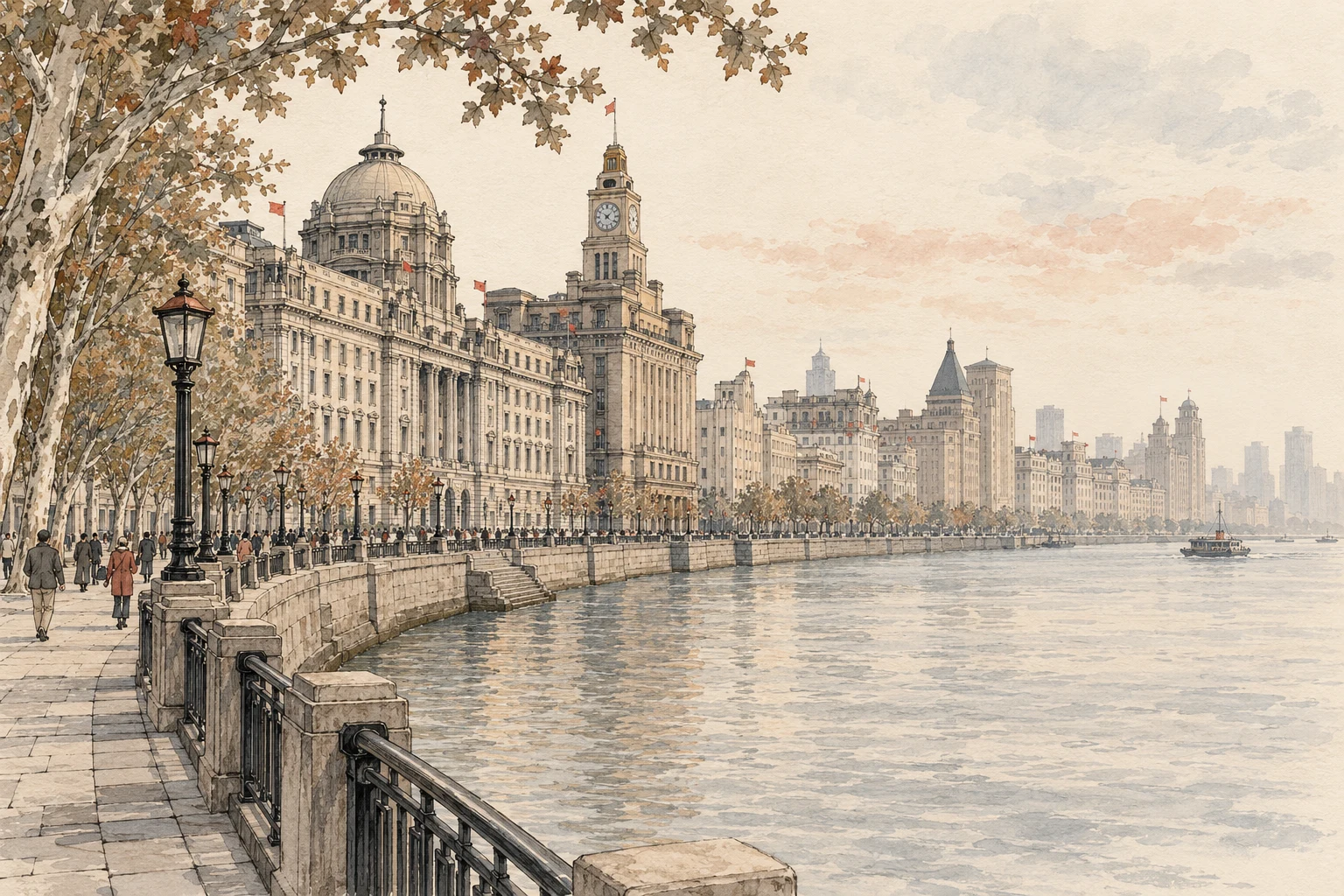
How Shanghai Became Shanghai · Three hours with Edward
Walk the Bund with an English-speaking local guide, then look beyond its famous skyline. Who paid for these buildings, who worked around them, and how did Shanghai become a global financial center? This private history walk follows those questions through Rockbund to the streets and bridges around Suzhou Creek.
¥2,300 for 2–4 guests · Three hours · Private group · ¥600 per guest beyond four
Request your dateCome for the skyline. Leave with more of the story.
Three threads through the walk
Read the Bund’s banks and institutions as a record of money, commerce and the unequal arrangements that shaped the treaty-port city.
Turn toward Rockbund and the creek. The story widens from grand institutions to the movement of people, goods and daily life.
Consider reuse, public space and what survives of an earlier Shanghai. History becomes a way to ask better questions about the present.
A waterfront story, one chapter at a time
Five pauses, connected by a compact walk. Buildings give us the evidence; your questions help shape the conversation.
Begin with the river and the institutions that turned a waterfront into a statement of commercial power.
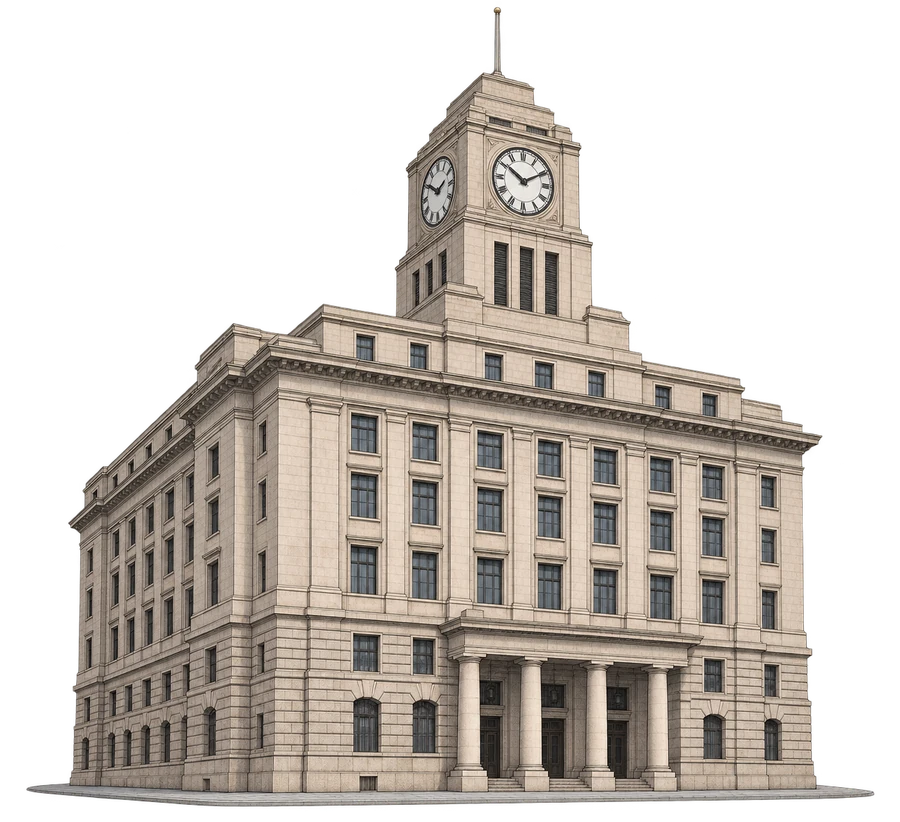
Money & power
Look at the scale of the entrances. What kind of authority was a bank or customs building meant to project?
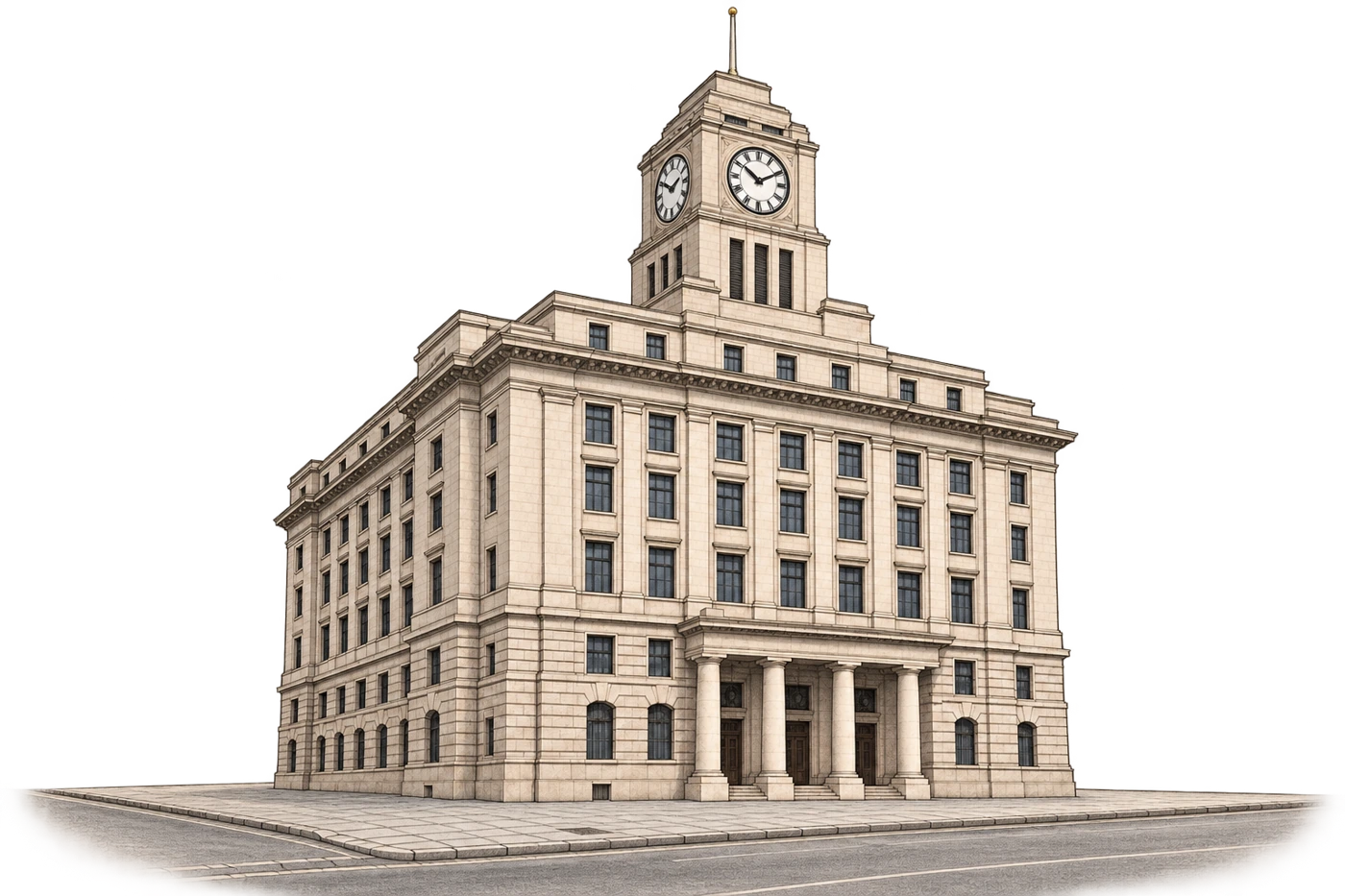
Discuss commerce, aspiration and cosmopolitan Shanghai through one of the Bund's most recognizable buildings.
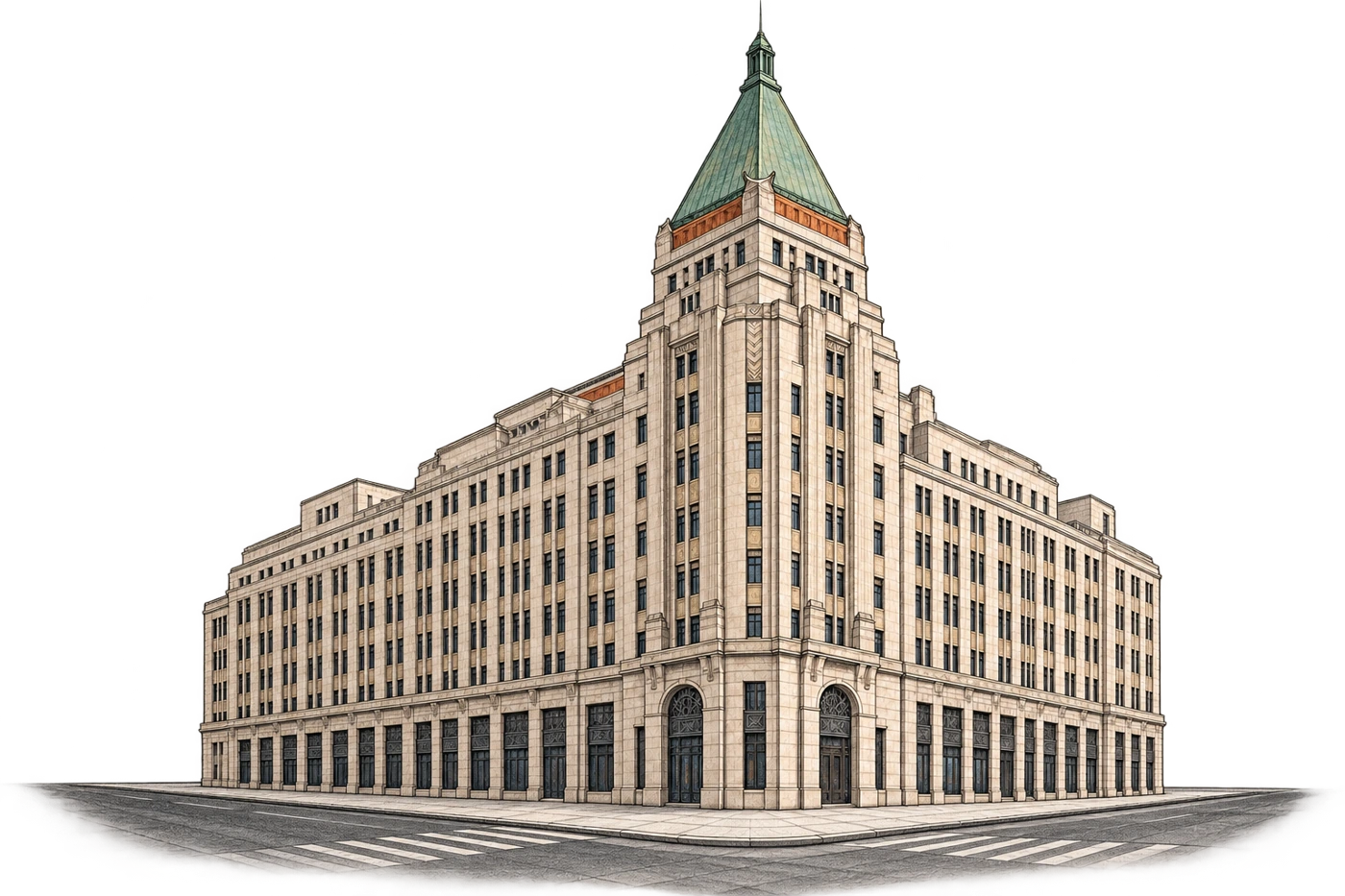
Cosmopolitan lives
A hotel tells a story about who could travel, who could afford to stay, and who worked behind the scenes.
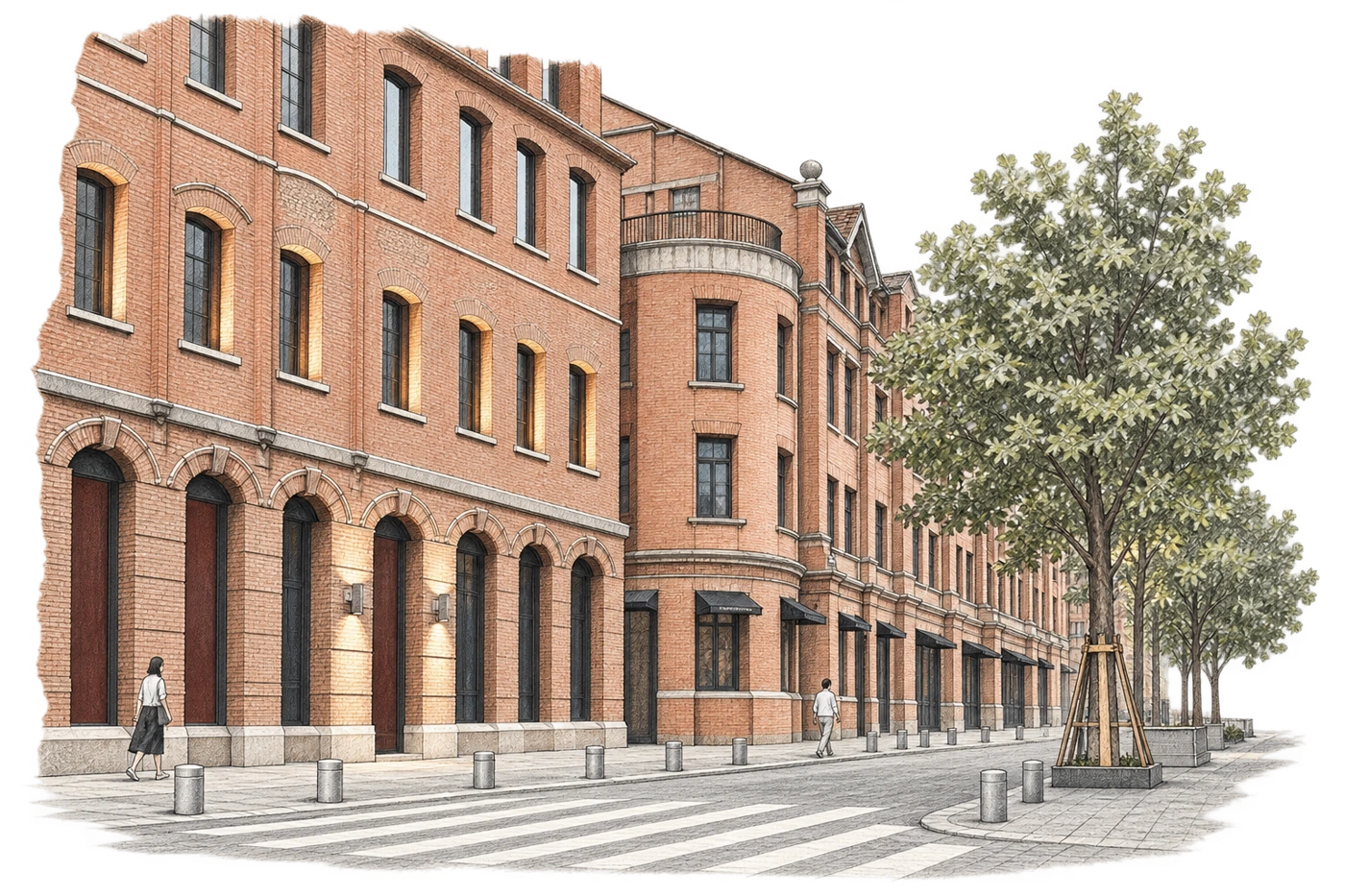
Step back from the river to look at the city's international-settlement history and the present-day reuse of historic streets.
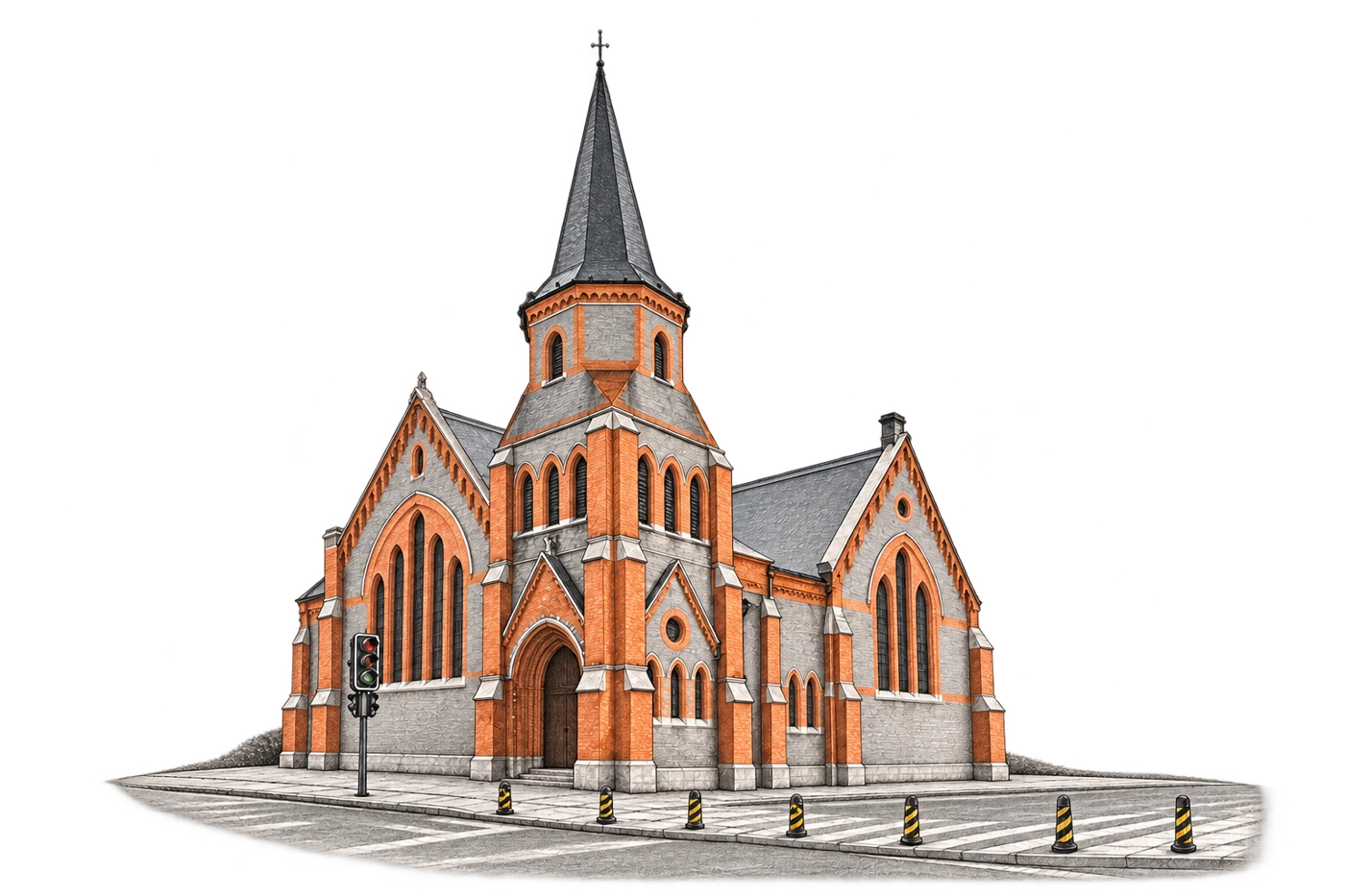
A street remade
Look for old facades with new uses. What do we preserve when the life inside a building changes?
Turn toward Suzhou Creek and consider the waterway as part of the working city, beyond its skyline views.
The working waterway
Shift attention from the skyline to the creek: a different way to read movement, work and everyday life.
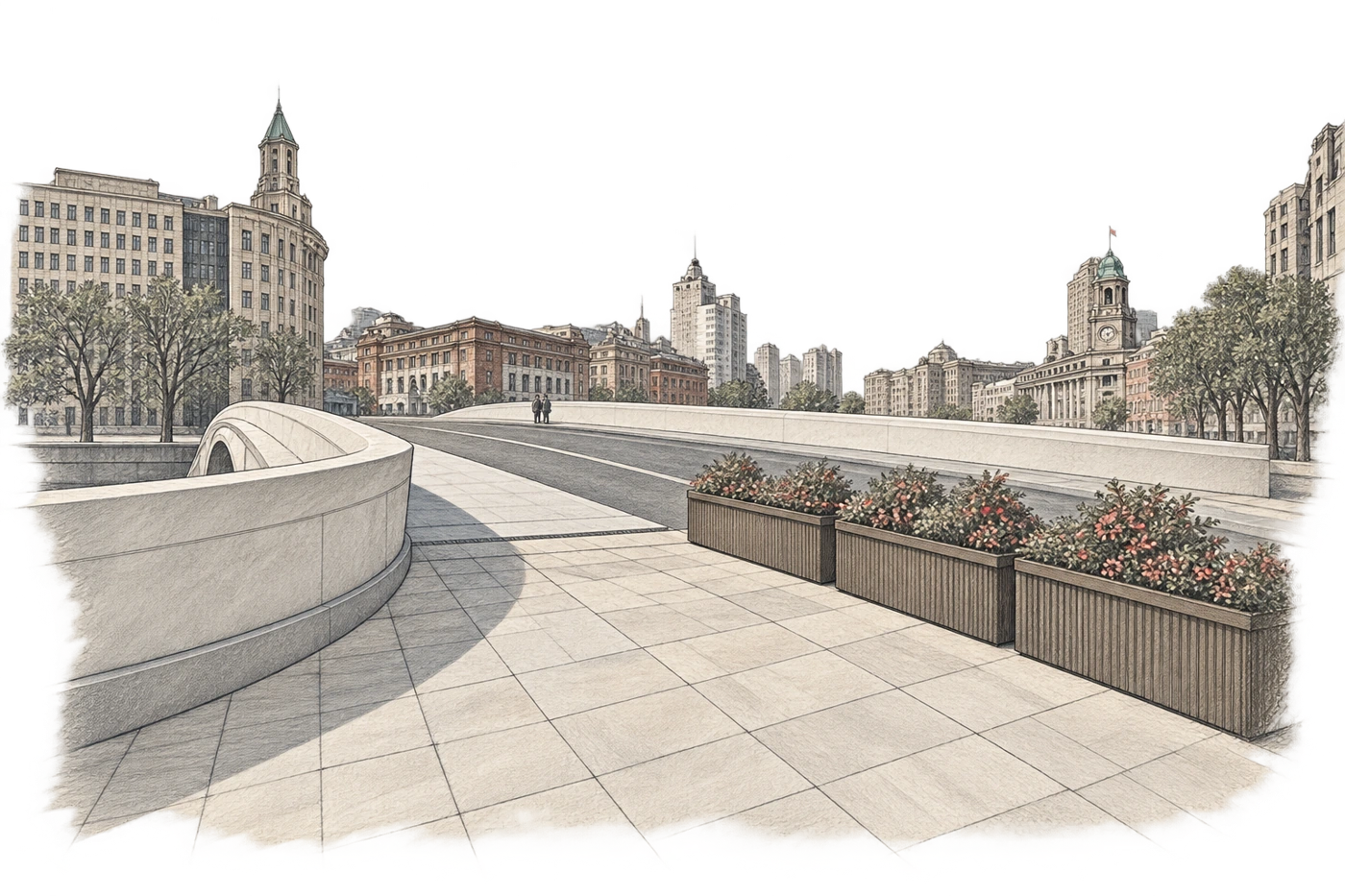
Finish where two waterways and different periods of urban development meet.
Two waters, many timelines
From the bridge, place the historic waterfront and the newer skyline in the same conversation.
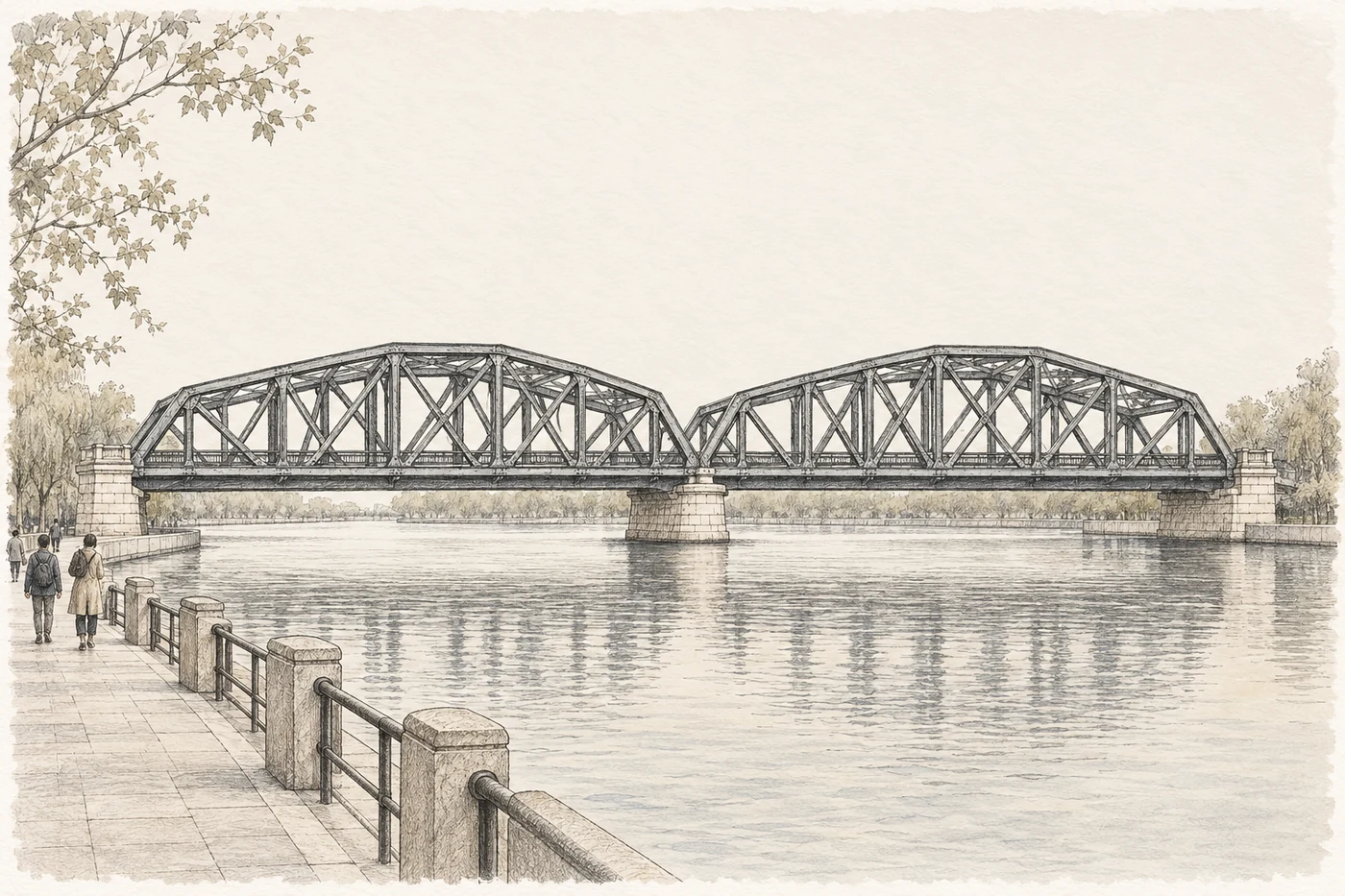
A change of scale
The Huangpu gives Shanghai its famous panorama. Suzhou Creek opens another conversation: movement, working life and the changing use of the city’s waterfront.
My background in Chinese political economy helps connect the streets we see to the institutions and choices behind them. We can discuss development without losing sight of the people who live with it.
A guide to the pace, with room for pauses along the way.
Along the way
We'll connect the buildings to trade, migration and unequal power, then consider how Shanghai has remade its waterfront. My political-economy background helps connect the visible city to the decisions and institutions behind it.
Meet EdwardExpect paved paths, crossings and periods of standing. Busy riverfront sections and bridge approaches can affect comfort. Share mobility or seating needs before confirming so we can assess the route together.
The route may adjust for weather, crowds and local access. Your confirmation includes the meeting point and planned finish.
We explore from public streets and viewpoints. Entry to private homes or restricted interiors is not part of the walk.
More practical informationThe core route is designed around public outdoor viewpoints. Hotel, bank, church or museum interiors are not guaranteed or required for the experience.
It follows a focused story around the Bund and Suzhou Creek. Three hours gives us time to look closely at this part of the city and connect it to a wider history.
There is time for photos at public viewpoints. We'll also keep the paths clear and respect any local restrictions.
Field notes
By the river · 2 minute read
Look across the Huangpu, along the Bund's historic facades and back into its streets. Three ways to notice more on Shanghai's waterfront.
Published
Read the noteShanghai with Edward Wu
Share your date, group size and what interests you. We can take it from there.
Plan with EdwardHave something else in mind, or want more time? Ask me about a custom experience.