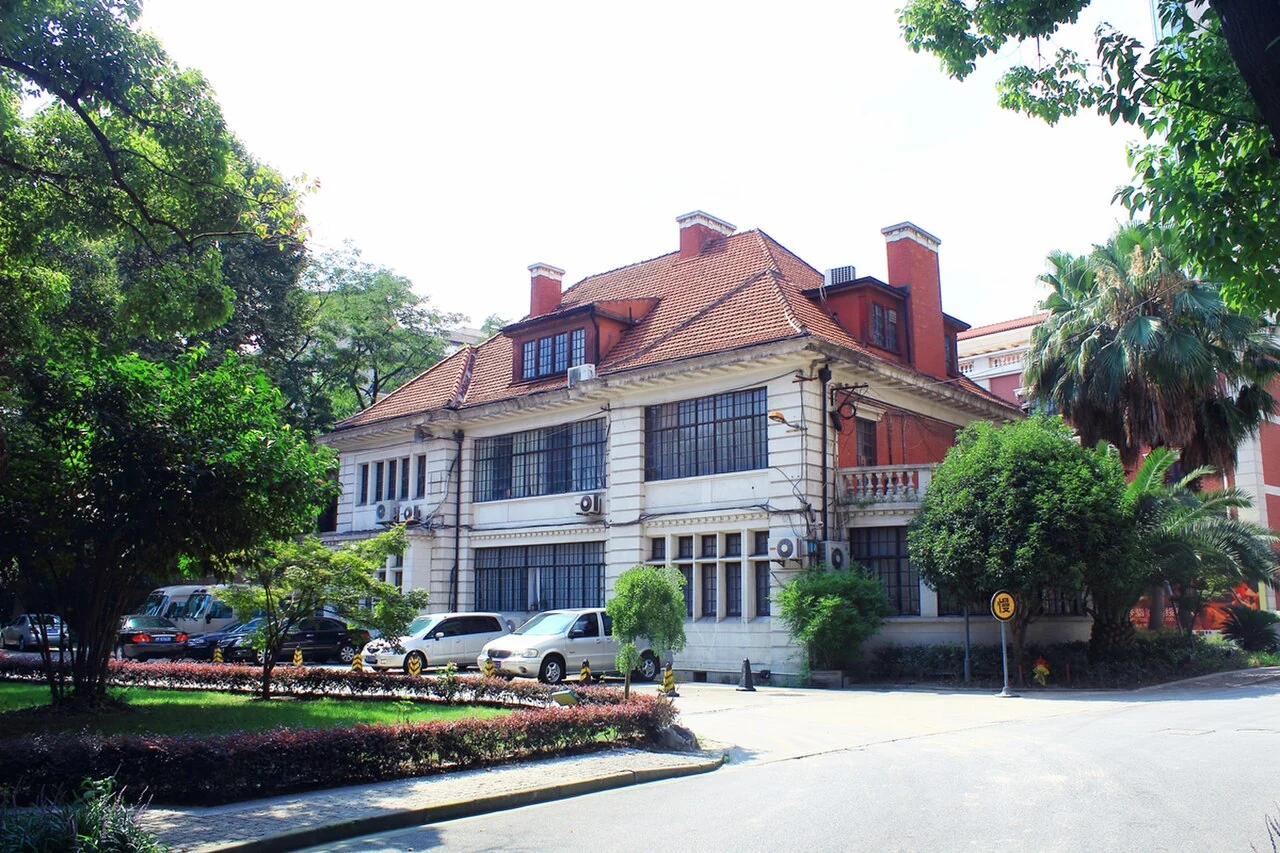

The international orchestras
The visiting names include the BBC Symphony Orchestra, Orchestre de Paris and Budapest Festival Orchestra. Esa-Pekka Salonen, Iván Fischer and pianist Imogen Cooper are also announced among the participating artists. Together they give the festival a substantial international orchestral strand rather than a single imported gala.
Twenty-one international exchange performances account for roughly three tenths of the main programme. That leaves plenty of room for the festival’s other identity: a platform for Chinese musicians and dance, with performers from more than ten provincial-level regions. Jiangnan silk-and-bamboo music, Guangdong music, Xinjiang folk song and Inner Mongolian horse-head fiddle traditions are represented in the wider musical mix.
A festival with a long memory
Shanghai Spring began in May 1960. Its longevity helps explain why the current edition moves between visiting orchestras, Chinese instrumental traditions, educational activity and new productions without treating those as separate cultural worlds.
The 26 March opening at the North Bund’s AIA Grand Theatre is a themed concert marking the 90th anniversary of the Long March. Zhang Guoyong conducts, with singers including Liao Changyong and Shi Yijie and artists drawn from several Shanghai ensembles. This opening has a specific commemorative purpose; it does not describe the whole festival’s repertoire.
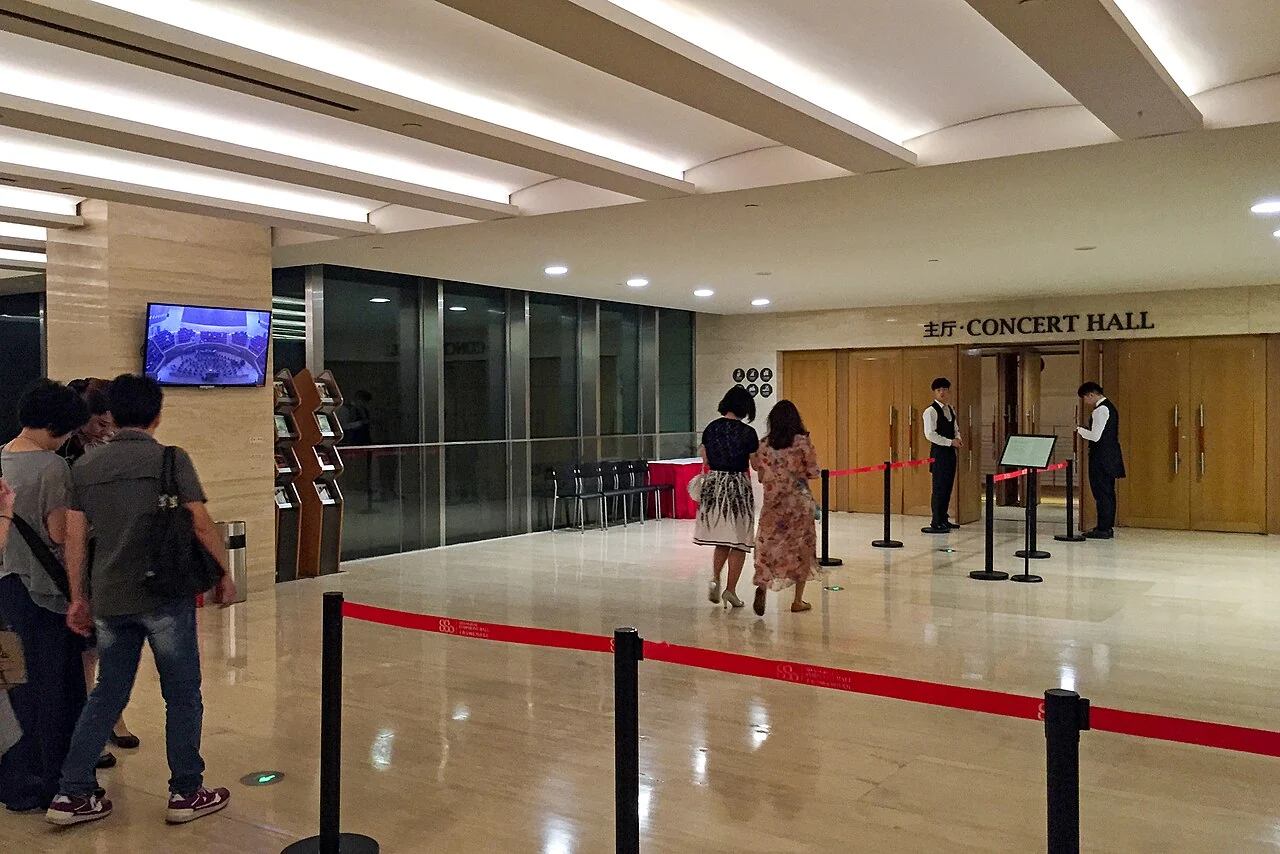

Across the city
Main performances take place at more than 30 Shanghai venues. Sixteen outreach activities bring instruments including piano, violin and erhu into communities, schools and commercial spaces across all 16 districts. The official programme lists individual halls and performance arrangements. The dates 26 March–12 April describe the core festival, with related events extending either side.