Publication details
First published . Series dates place related notes together in the reading archive.

Decide what you are buying
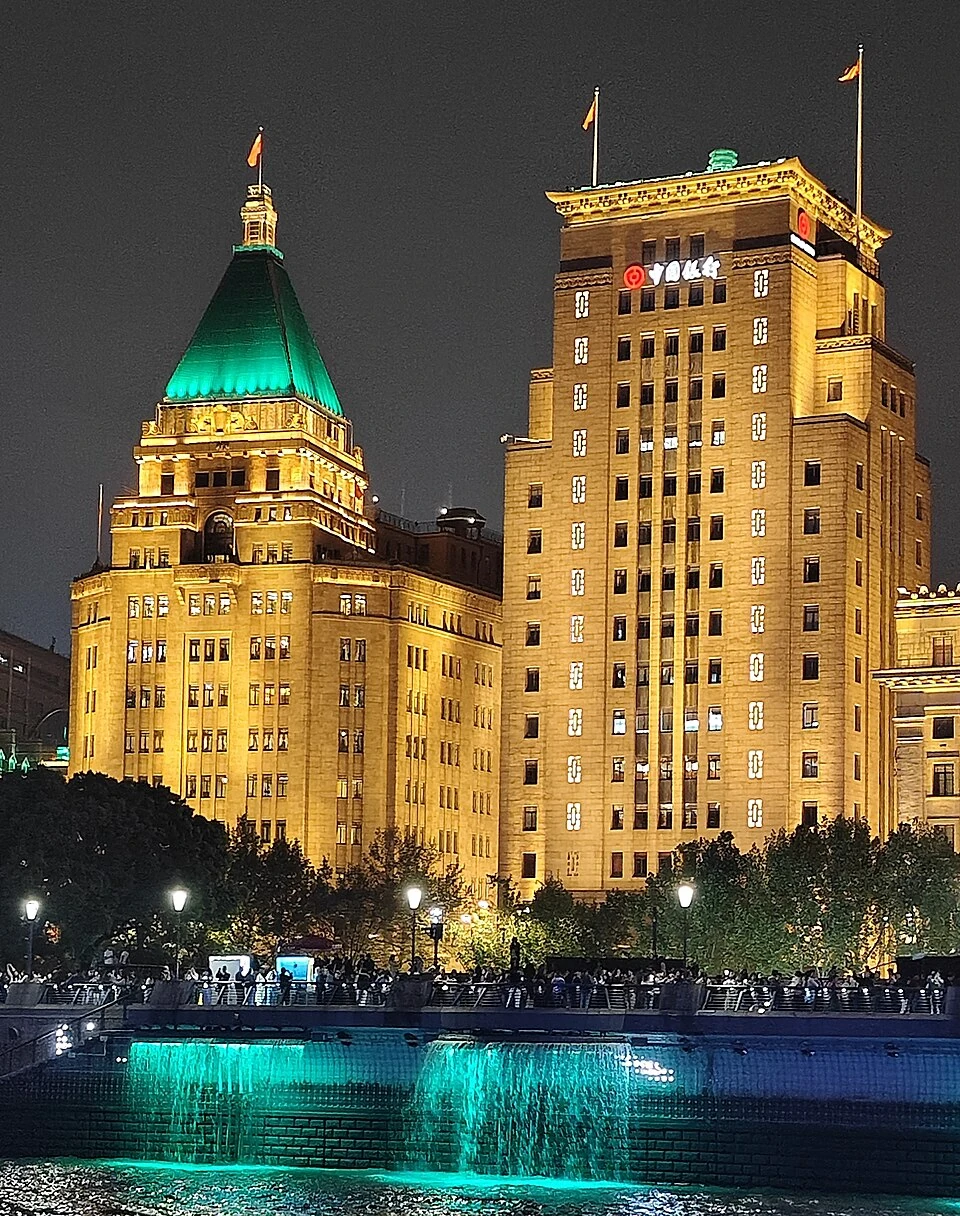
Fairmont places the Jazz Bar on the ground floor of the Peace Hotel, 20 Nanjing Road East: 和平饭店爵士酒吧,南京东路20号. Its own description centres the Old Jazz Band and the room’s historic atmosphere. That tells you the offer more clearly than a generic “best jazz bar” ranking. You are choosing a particular combination of music, setting and hospitality, rather than buying a survey of everything jazz in Shanghai can mean.
The distinction is useful for expectations. A visitor hoping for a late experimental set, a loud standing-room gig or a spontaneous survey of young local musicians should start elsewhere. A visitor interested in the hotel, recognisable song traditions and sitting with a live band has a coherent reason to book here. Neither preference is more sophisticated. The mistake is expecting one room to answer every musical question about the city.
The historic atmosphere needs a little distance
The Peace Hotel’s identity makes history unusually visible before a note is played. Look at the room and enjoy it, but remember that you are in a present-day hotel operation. The décor, service and publicity frame the music. They do not put you in an untouched 1930s evening. Musicians are working in front of today’s audience, with all the practical and commercial decisions that involves.
That does not make the experience artificial or worthless. A historic repertoire can remain meaningful through repetition, interpretation and the people who keep playing it. I find the useful question is what the musicians do with a melody, an accompaniment or a handover between players. Once you start noticing those decisions, the room becomes less like a period backdrop and more like a performance you are actively attending.
Let one complete tune happen
Choose a moment to stop taking pictures and hear a tune from beginning to end. Notice how it is introduced, who carries the main line and what changes when another instrument comes forward. A familiar melody is helpful because you can hear how an arrangement moves around it. You do not need to know the title to follow a phrase being answered across the group.
If you are new to jazz, listen to the accompaniment as well as the solo. The support can hold the piece steady while the foreground changes. A small alteration in the pace or emphasis of a phrase can matter more than a spectacular flourish. This is a good reason to give the musicians a full set of your attention. Thirty seconds of video mostly preserves your phone’s version of the room.
Book the current evening
Before committing, ask the hotel for the date’s performance schedule, reservation arrangement, seating and current minimum spend or package price. Online figures can refer to an older menu or a special period. The operator page checked for this note confirms the address and band identity; it does not provide a permanent universal spending rule. Get the total you are accepting in writing when possible.
Also establish what the reservation actually secures. Is there a particular set, a table for a period of time, a food-and-drink package or a cover charge? Is the seat close to the performance or chosen on arrival? If hearing the band is the reason for going, say so when booking. A general hotel restaurant reservation is not necessarily a reservation for this room, and arriving at the building is not the same as having a table.
Make dinner and music fit each other
The bar sits at a convenient point for an evening near the Bund, but convenience can encourage an overfull plan. A long dinner, a riverside walk, several hotel interiors and a complete set do not all fit comfortably into one short evening. Choose the musical commitment first and fit the other pieces around it. I would rather shorten the promenade than spend the first part of the set negotiating the last part of a meal.
Keep the Chinese hotel name and address on your phone for the return journey. If travelling with someone who needs step-free access or particular seating, ask the hotel before booking rather than assuming a luxury property makes every route equally easy. A useful reservation conversation includes the actual needs of the group, not just a request for the most photogenic table.
A hotel bar is still a listening room
Conversation is part of bar life, but a band becomes background if every table treats it that way. Choose a level of talk that leaves the performance audible to the people around you. Ask about photography, avoid flash and do not film other patrons at close range. A musician’s presence on a public stage does not make an unrestricted commercial portrait collection available to visitors.
Requests, if accepted, should be offered courteously rather than used to direct the whole evening. There is value in hearing how a group has shaped its own set. If you have a particular song in mind, ask staff what is appropriate. Do not mistake hotel service for an obligation on the musicians to turn each table’s nostalgia into the programme.
Give Shanghai jazz another evening too
The Peace Hotel makes one persuasive case for spending time with musical memory. It is not the city’s entire jazz scene. On another date, a programme-led club booking can bring you to contemporary originals, visiting ensembles or a very different improvisational language. Start with the players and a sample of their music rather than looking for a room that resembles this one.
My verdict is conditional and therefore useful: book the Jazz Bar if its band-and-hotel proposition interests you, confirm the current terms, and stay long enough to listen. If your priority is discovery through a changing bill, choose that directly. You do not have to reject the old Shanghai image to hear current Shanghai, but you should give each its own attention instead of letting one stand in for the other.