
Antiquity becomes a working language
The Shang and Zhou vessels familiar from museum bronze galleries were already ancient objects when Song scholars and emperors began studying and reinterpreting them. The idea of fugu, a return to the past, brought their shapes and associations into new religious, political and domestic settings.
A later bronze could invoke the authority of an antique ritual vessel while doing a different job for a different owner. Court commissions, Confucian ceremonies and the scholar’s interior each gave old forms another use. These distinctions make the period from the 12th to 19th century a substantial history of design and patronage in its own right.
A joint museum project
The Met and Shanghai Museum have co-organized the exhibition. Curator Pengliang Lu’s research addresses chronology, craftsmanship and the changing cultural value of these objects. Paintings, ceramics, jades and other media help establish how bronze forms were used, represented and translated across materials. The Shanghai presentation occupies the East Museum’s first special exhibition hall.
Dates and venue
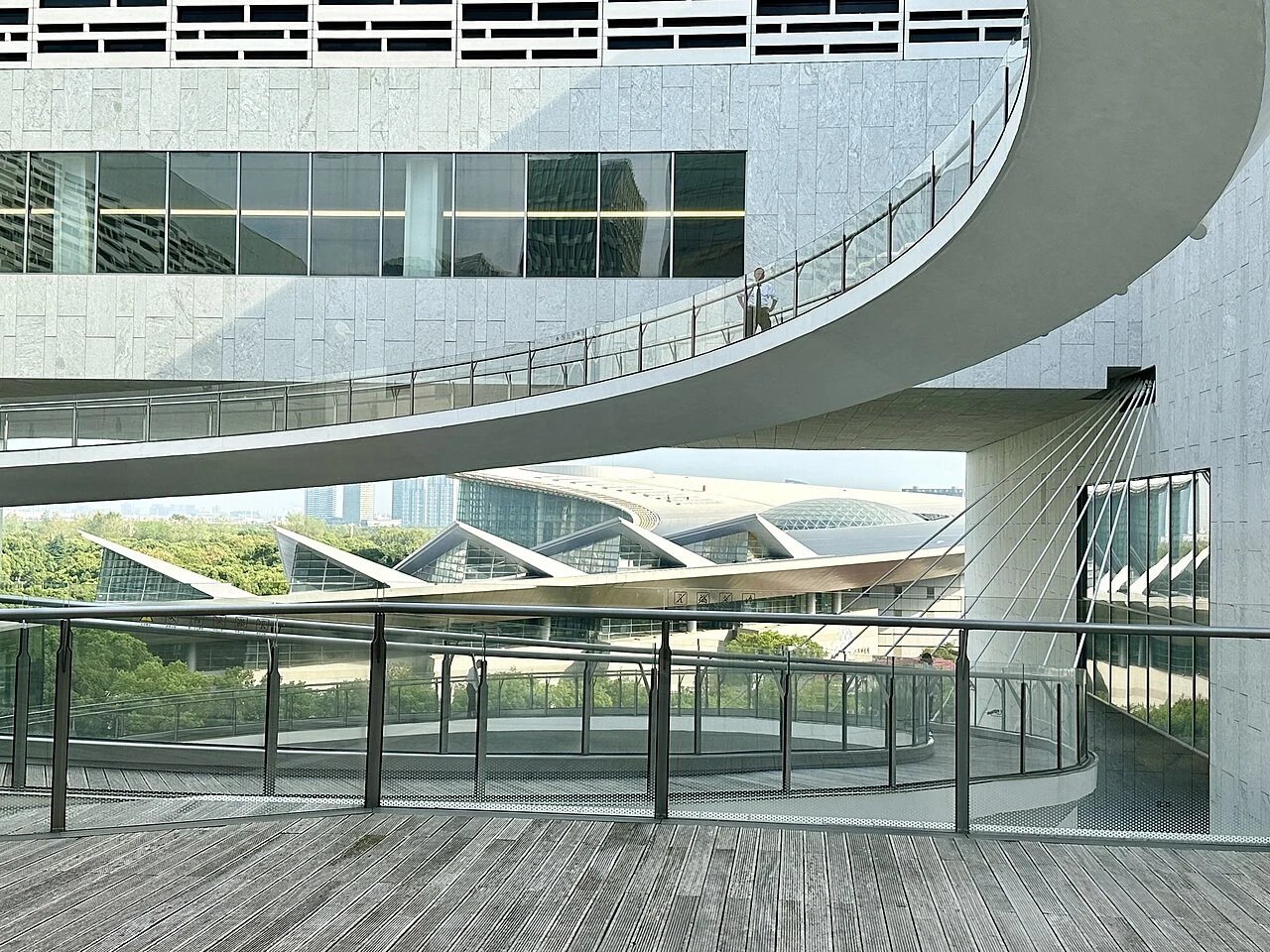
12 November 2025–16 March 2026 at Shanghai Museum East / 上海博物馆东馆, 1F, Bright Dairy & Food Special Exhibition Hall 1 / 光明乳业第一特展厅. Address: 1952 Century Avenue, Pudong / 浦东新区世纪大道1952号. The East Museum is a separate building from Shanghai Museum’s People’s Square site.