Publication details
First published . Series dates place related notes together in the reading archive.
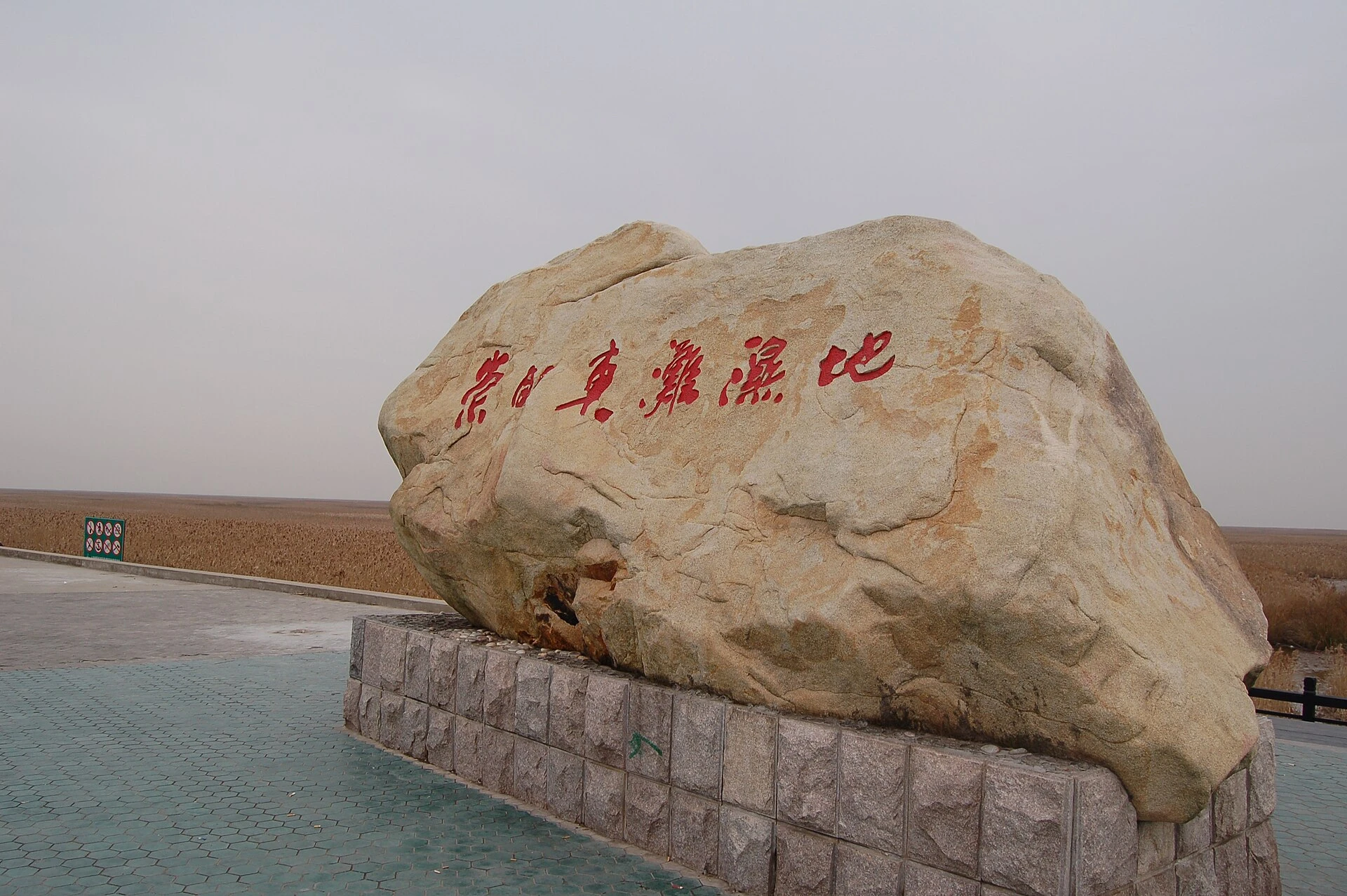

Dongtan is an area, not one gate
“Dongtan” can refer to a wider eastern Chongming landscape, the Dongtan Wetland Park or the Chongming Dongtan nature reserve. Those names are related, but they do not mean that the same ticket, road or permission works everywhere. Save the exact Chinese destination: 东滩湿地公园 for the visitor park, not an unspecific pin labelled only “wetland”.
The distinction should shape the whole day. A public park offers visitor paths and managed facilities. A protected reserve prioritises habitat and may restrict access. Surrounding countryside may have public roads without being an organised visitor attraction. Choose the experience first, then find the legitimate entrance. Do not drive towards the edge of the map and assume that an open-looking track is a public route.
Make the journey part of a full day
The municipal 2026 Dongtan guide treats the journey from central Shanghai as a substantial part of the outing and identifies a public-transport approach through Chenjia town. Its suggested cycling starting point is in the Yingdong village area, which is not the same thing as the wetland park entrance. Copying that route without understanding its endpoint could leave you in the wrong place for your intended visit.
Work backwards from the actual destination, then arrange the last leg and the return. With a car, confirm the entrance and parking. With public transport, check the current bus connection and how you will complete the final distance. Do not assume a taxi will appear immediately in an exposed rural spot simply because one brought you there.
August and winter offer different days
The official seasonal guide distinguishes the green season, broadly May to October, from the main migratory-bird season of November to March. That is a useful planning distinction, not a guarantee about the weather or the birds on a particular date. A lush late-summer landscape should not be sold as the same experience as a winter birdwatching day.
In the green season, look at the shape and movement of reeds, the relation between water and planted edges, and the changing distance of the horizon. For winter birding, bring suitable optics and current advice about permitted observation areas. If your chief ambition is to see one species, seek specialist guidance rather than buying a general park ticket and expecting wildlife to appear on schedule.
Birds are not a staged attraction
Watch from designated public routes and observation positions. Keep voices low, do not feed wildlife and do not approach simply because a photograph would be better from a few metres closer. A bird moving away is not an invitation to keep following it until it flies. The distance you leave is part of the quality of the visit.
Binoculars are useful because they let you see more while disturbing less. A phone can record a wide landscape without needing a close animal subject in every frame. If you cannot identify a bird, describe it modestly or leave the identification open. A photograph of a white bird does not automatically become evidence for the rare species you most hoped to find.
Stay on the visitor side of conservation
A protected landscape is not made more authentic by leaving its paths. Do not cross a barrier, enter a tidal flat or use a maintenance track because a satellite image appears to show a shortcut. Water, mud and tides create conditions that can be difficult to judge from a standing position, especially if you are unfamiliar with the site.
Follow the operator’s current boundaries and any temporary closure. Weather restrictions can be practical rather than decorative. The point of travelling to a wetland is to encounter a landscape with its own processes, which includes accepting limits on where people go. A restricted area is not a challenge to your independence as a traveller.
Cycling needs its own route decision
The 2026 municipal guide describes cycling routes around the Yingdong area and recommends designated greenways. That is useful evidence for a separate cycling outing, not permission to cycle on every path within every wetland facility. Rental availability, return times and permitted routes need confirmation with the provider you actually use.
Decide whether the day is principally a park visit or a cycle ride. Trying to combine a long ride, a full wetland visit and a distant meal can make the schedule brittle. If you rent, check the brakes and fit, ask how a breakdown is handled and save the return point in Chinese. A route should be designed around the rider and the conditions, not the largest distance printed in a guide.
Exposed weather changes the calculation
Open landscapes can feel very different from central streets in the same forecast. There may be long stretches without convenient shade or a shop. Carry water, sun protection and whatever layers the season requires. Check the weather before travelling and again before committing to a long outdoor section.
In summer, shortening a route is a sensible design choice. In colder or windy weather, a nominally short stop can become uncomfortable quickly. Plan a proper indoor break only where you have confirmed that a facility is open. Do not mark a cafe on an itinerary solely because it appears in an old photograph. The return journey should remain manageable if you decide to finish early.
An autumn update, kept in proportion
Chongming’s official October 2026 report describes a Dongtan art season within the wetland park, scheduled through the end of December. That is a current, dated addition to the visitor experience. It does not change the distinction between the park and reserve, nor does it guarantee that every work, activity or guided programme is available at any hour.
If the art is part of your reason for going, check the park’s current event information and ticket terms. Then look at how a work relates to the landscape rather than using the wetland as a generic background. A successful outdoor installation should give you another way to notice the site. It need not compete with the reeds, water and sky for attention.
A workable version of the day
Choose one precise destination, confirm admission and the current public route, arrange both directions of travel and leave enough daylight to finish comfortably. Bring identification if the operator requires it and check any booking conditions directly. This is more useful than a minute-by-minute itinerary built from several sources describing different parts of Dongtan.
I would give the outing a full day and resist squeezing in a central-city appointment at either end. The open space is the reason to go. A good result might be a modest walk, a few careful observations and time spent looking at a horizon that feels unlike the rest of the trip. Wildlife, weather and access will remain variable; the planning should leave room for that variability rather than hide it.